For most of my professional life, I was a teacher—designing and guiding learning experiences for people ages 3 to 85.
Then I became a caregiver. I continued my work, but something inside me was shifting. I didn’t know it then, but caregiving would change the direction of my life.
Six months into my marriage, my then-spouse was hospitalized. Later my mother was diagnosed with terminal cancer. For years, I supported them both while trying to hold everything else together.
From the outside, I was functioning. But internally, I was stretched thin—struggling to maintain balance, express my voice, or find the energy to create.
Yoga, marathon running, journaling, and guided meditation weren’t enough to shift what was underneath.
My then-counselor introduced me to two books—Breaking the Habit of Being Yourself by Dr. Joe Dispenza and You Can Heal Your Life by Louise Hay.
As my understanding of the mind-body connection deepened, my spiritual practice expanded. I became a TM (Transcendental Meditation) practitioner, using an assigned mantra to quiet my mind and access a steadier, more grounded state.
Around that time, I read Setting Boundaries Will Set You Free by Nancy Levin—and through her group coaching, I began to see patterns I hadn’t noticed before: perfectionism, over-responsibility, and the ways I had learned to override myself in the name of being strong or helpful.
As those layers unraveled, something else became possible.
I found space to process grief, trauma, and loss—including a pregnancy loss just months before my mother passed. I began to not cross my own boundaries, making different choices, and reconnecting with my own voice—even when it meant making difficult decisions, like ending a 15-year relationship.
Choosing my well-being over his was not easy but necessary.
Over time, I didn’t just feel more like myself again—I felt lighter.
That experience changed how I understood what it means to support someone through a difficult season. After witnessing gaps in care as a caregiver, I became an elder and end-of-life doula, helping bridge communication between patients, families, and care teams and providing a steady presence for people after they learn they are going to die. With my mom, I experienced how even in a dark season, there can still be moments of connection, laughter, beauty, and joy. Loss didn’t have to mean the absence of joy. The two can coexist.
In wanting to better support people navigating stress, anticipatory grief, and complex decisions, I found coaching—and it felt like a natural extension of everything I had lived and learned.
Today, I bring together my background in education, caregiving, and coaching to support people who are holding a lot—so they can navigate life’s changes with more agency, steadiness, and self-trust.
As a recovering perfectionist and overachiever, I don’t aim to do everything perfectly—I aim to stay connected to myself while I’m doing it. I still trip now and again (life has a way of doing that), but I meet myself with more grace than I used to.
I’ve learned to honor all parts of myself—the light and the harder-to-hold pieces—knowing they’ve shaped who I am today. Change doesn’t happen all at once; it unfolds through small shifts that, over time, can create profound change.
I founded Guiding Routes to help people reconnect with their own inner direction, their North Star. The name honors my paternal grandfather, who built some of the first roads in North Carolina, creating smoother, safer pathways for people to get where they needed to go.
My work carries the same spirit, but the direction comes from within.
Together, we create space to listen to your North Star and find a way through this season that feels like your own, so you can travel to a new state of being—without needing to step away from your life to find it.
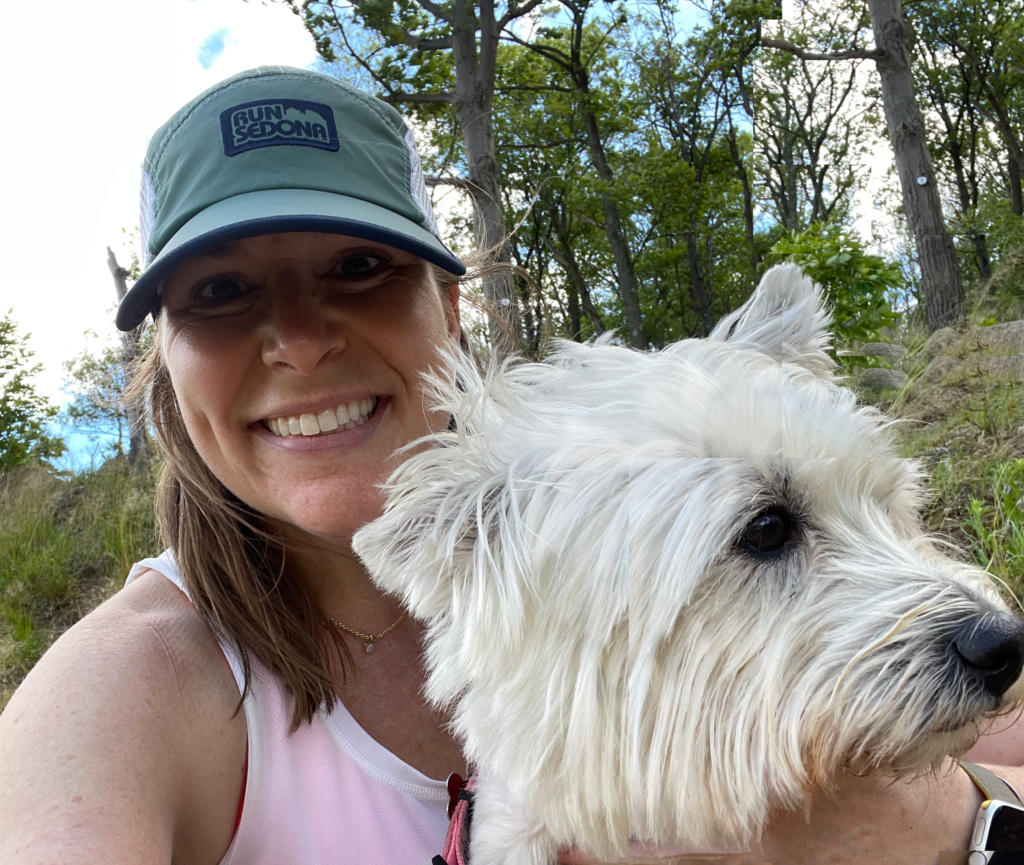
I’m based in NYC, a marathoner, and a developing ballet dancer. I live with my partner, my bonus son, and our Westie, Chloe—who brings a lot of personality (and “Westitude”) into our home.
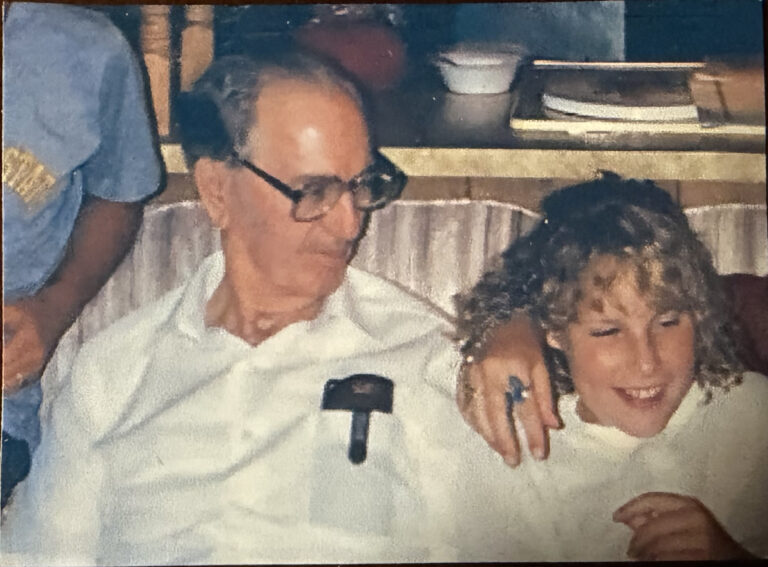
My grandaddy helped build roads so people could find their way. I’ve been doing something similar ever since—minus the not-so-great perm!
Trust is sacred. My moral and ethical compasses guide my decisions. When I make a mistake, I am transparent, apologetic and hold myself accountable.
I treat others how I want to be treated. As part of my altruistic nature, if I can lighten your load–physically, emotionally or spirituality, I will. I also treat myself with kindness and compassion, because if it is not something I would say or do to a loved one, then it is not for me.
I’m dedicated to nurturing healthy relationships and supporting the people and pups in my life—and I’ve learned to turn that same care inward, so I can live and show up with more balance.
I strive to be better than I was yesterday. I embrace set backs and mistakes as opportunities to succeed in the future.
I set and maintain healthy boundaries because I can’t continue to give, work or be from a place of depletion. Saying, “No” is a complete sentence but saying it graciously is an artform.
It’s not just about original thought or novel expression —it’s what allows me to stay flexible when solving problems, adapt when old ways stop working, and notice possibilities I might have otherwise missed.